
 sign in
 register

Blogs
- Home
- Blogs
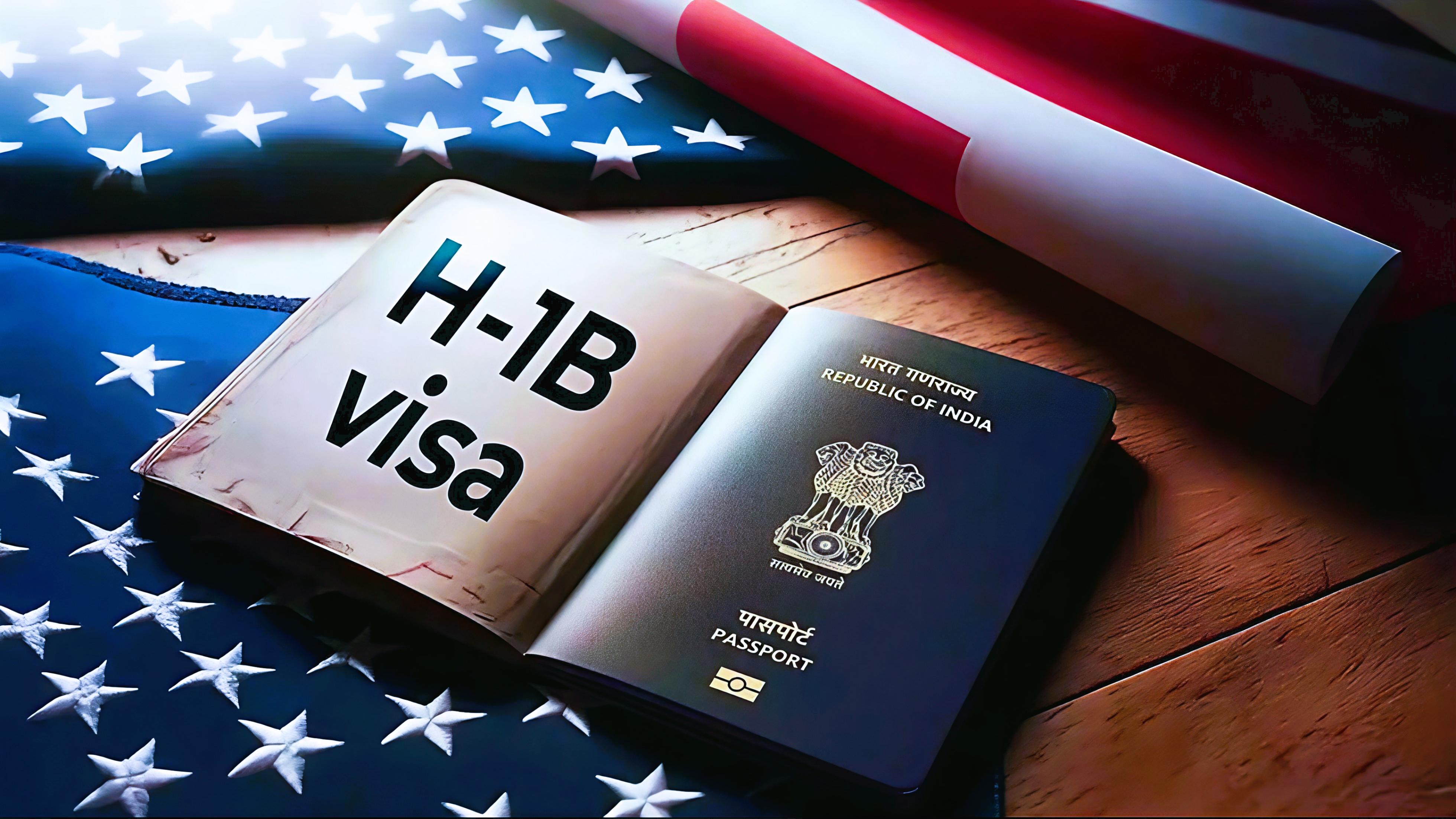
New H-1B Lottery Rule — Higher Wages, Better Odds
Backâš–ï¸ New H-1B Lottery Rule — Higher Wages, Better Odds
The U.S. government has finalized a weighted H-1B lottery system that significantly improves selection chances for higher-wage, higher-skill positions — while keeping all wage levels eligible.
Under the new rule, jobs are entered into the lottery multiple times based on wage level, meaning competitive offers can dramatically improve your odds.
Effective: February 27, 2026 — in time for FY2027 H-1B registrations in March 2026.
READ FULL ANALYSIS & WHAT IT MEANS FOR YOU
💰 USCIS Clarifies $100K H-1B Fee (Overseas Filings)
#In Case You Miss It: USCIS confirmed the $100,000 one-time fee applies mainly to new H-1B petitions for workers outside the U.S., while most F-1, L-1, and current H-1B holders already in the U.S. are exempt.
Based on FY2024 data, roughly 46% of initial H-1B approvals involved consular processing—meaning nearly half of new cases could be affected. Combined with the shift toward a salary-based selection system, odds may improve for qualified candidates already in the U.S.
New H-1B rules implemented by DHS prioritize higher-paid, higher-skilled workers through a weighted lottery system, effective for the FY 2027 season, moving away from random selection, and a new $100,000 fee applies to offshore petitions for some applicants, aiming to favor U.S. workers while still allowing for all wage levels.
Here are the key changes:
1. Weighted Selection Process (Effective FY 2027)
- From Random to Weighted: The lottery is no longer purely random; it now gives more chances to applicants in higher Occupational Employment and Wage Statistics (OEWS) wage levels.
- How it Works:
- Wage Level IV: 4 entries
- Wage Level III: 3 entries
- Wage Level II: 2 entries
- Wage Level I: 1 entry.
- Goal: To ensure H-1B visas go to higher-skilled and higher-paid foreign workers, protecting U.S. workers' wages and jobs.
2. New $100,000 Fee (Presidential Proclamation)
- Requirement: A new $100,000 payment is a condition for eligibility for new H-1B petitions filed for beneficiaries located outside the U.S..
- Impact: This fee is designed to reduce offshore filings, increasing odds for those already in the U.S. and favoring high-earning workers.
3. Registration Information
Registrations now require more details, including the specific OEWS wage level, Standard Occupational Classification (SOC) code, and intended area of employment.
4. Biometric Data Collection
Broader collection of biometric data (photos, fingerprints) for all non-citizens, including H-1B holders, upon entry and exit, eliminating previous exemptions.
Registrations now require more details, including the specific OEWS wage level, Standard Occupational Classification (SOC) code, and intended area of employment.
4. Biometric Data Collection
Broader collection of biometric data (photos, fingerprints) for all non-citizens, including H-1B holders, upon entry and exit, eliminating previous exemptions.
Login to your account
Signup to your Account
Choose your Account Type